No products added!


Price range: $85.99 through $145.99
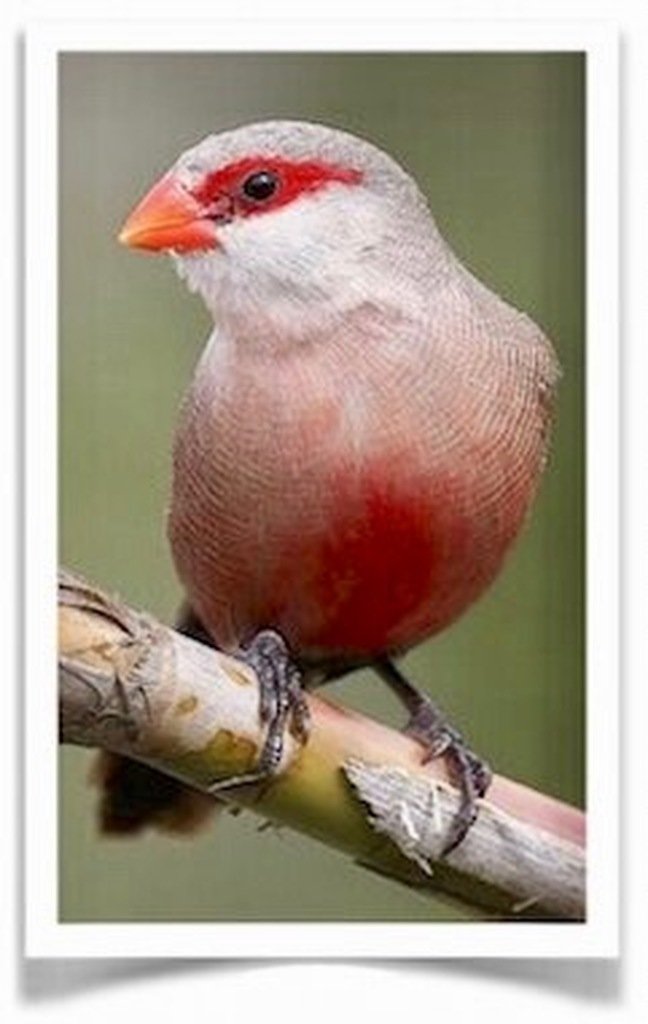
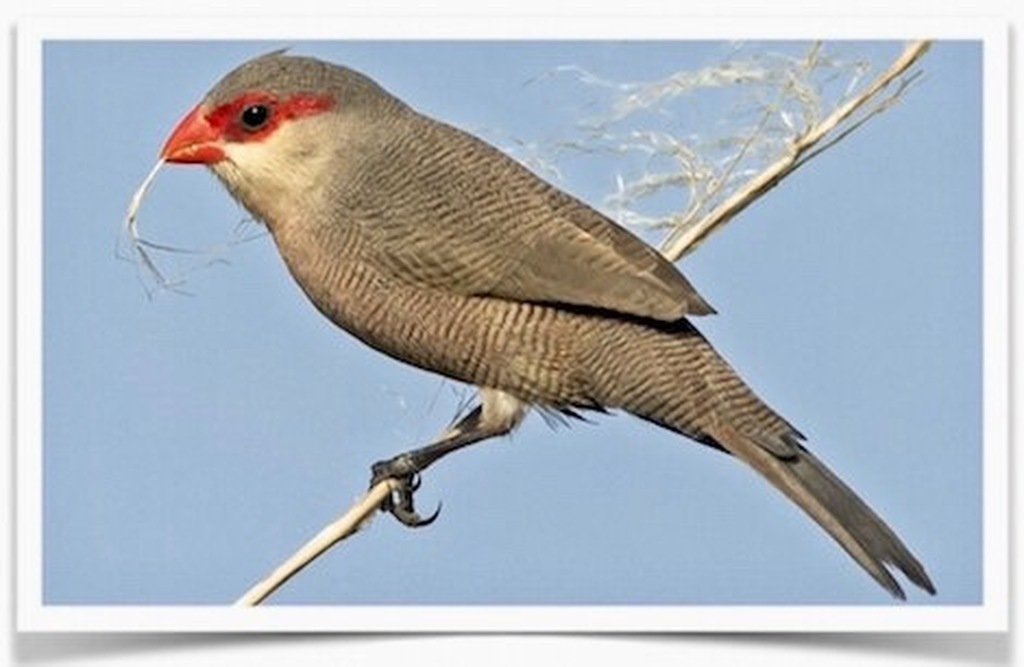
St. Helena Waxbills for sale are a great choice for avian bird lovers. The Common Waxbill (Estrilda astrild), also known as the St Helena Waxbill is a small passerine bird belonging to the estrildid finch family. It is native to Sub-Saharan Africa but has been introduced to many other regions of the world. It is popular and easy to keep in captivity. It is very similar in coloring to the Red Eared Waxbill. It has a slender body with short rounded wings and a long graduated tail. The bright red bill of the adult is the color of sealing wax giving the bird its name. The plumage is mostly grey-brown, finely barred with dark brown.
The St. Helena Waxbill, also known as the Common Waxbill (Estrilda astrild), is a small passerine bird from the estrildid finch family. It is native to Sub-Saharan Africa and has also been introduced to several other regions.
St. Helena Waxbills are popular with bird enthusiasts because they are active, social, and relatively easy to keep in captivity. At Aviora Haven, they are a wonderful choice for bird lovers looking for a lively and peaceful waxbill.
The St. Helena Waxbill has a slender body, short rounded wings, and a long, graduated tail. Its bright red adult bill resembles sealing wax, which gives the bird its common name.
The plumage is mainly grey-brown with fine dark barring. A red stripe runs through the eye, while the cheeks and throat are whitish.
Depending on the subspecies, the underparts may have a pinkish color and a reddish stripe along the center of the belly. The rump is brown, while the tail and vent are dark.
Females look similar to males but are generally paler and have less red on the belly. Juveniles are duller and usually have little or no red on the belly. They also have less noticeable barring and a black bill.
Africa
Click to listen to the St. Helena Waxbill.
Approximately 4.5 inches / 19 grams.
St. Helena Waxbills are monomorphic, which means males and females can be difficult to distinguish visually.
DNA testing is available when gender confirmation is required.
If there is no gender option listed for a bird on our website, the species may be difficult to sex visually. DNA testing can be used to confirm the bird’s gender.
DNA testing costs an additional $149 per bird. Testing may add 3–6 or more weeks to the estimated delivery time because the gender results must be received before shipping.
St. Helena Waxbills are active, lively, and social birds. They are generally peaceful and can do well in a suitable mixed aviary.
However, they may become defensive around their nest during breeding. Providing enough space and suitable cover can help reduce stress and territorial behavior.
St. Helena Waxbills generally breed best in a spacious, planted aviary. Dense bushes and other vegetation provide privacy and help create a natural nesting environment.
They use materials such as coconut fiber and grass to build their nests. Soft white feathers may also be used to line the nest.
The birds build spherical nests close to the ground. Nests may be placed in bushes, grass clumps, shrubs, trees, or climbing plants.
Both the male and female participate in nest construction.
A varied diet is important for St. Helena Waxbills.
Their diet can include:
Additional protein is especially useful during breeding when the birds have increased nutritional needs.
Fresh, clean drinking water should always be available.
St. Helena Waxbills are active and social birds that benefit from adequate flying space and a well-planted environment. Dense vegetation can provide shelter, nesting areas, and opportunities for natural behavior.
With proper housing, nutrition, and care, these charming waxbills can be a rewarding addition to a suitable aviary.
Aviora Haven is dedicated to helping bird enthusiasts choose and care for beautiful finches and waxbills.
| Sex | Male, Female, Pair |
|---|

Reviews
There are no reviews yet.